



Body Contouring
Body-shaping procedures for stubborn fat, improved contours, and balanced proportions.
Clear sections, refined visuals, and easy patient scanning.
Body-shaping procedures for stubborn fat, improved contours, and balanced proportions. The treatments below are presented with polished spacing, animated entry, responsive cards, and structured copy so visitors can understand options quickly.
Liposuction
LIPOSUCTION
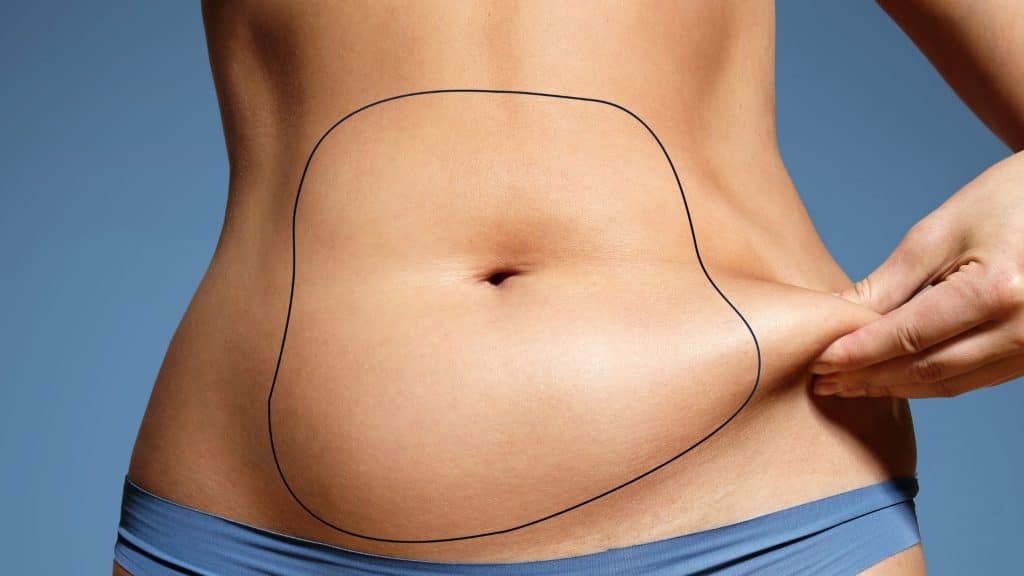
Liposuction, also called lipoplasty, liposculpture suction, lipectomy, or lipo, is a type of cosmetic surgery that breaks up and “sucks” fat from the body that you can’t seem to get rid of through diet and exercise.
Liposuction is a highly versatile treatment that can remove fat in a wide range of areas, such as:
- Abdomen
- Waist
- Hips
- Buttocks
- Thighs
- Upper arms
- Back
- Chest
- Chin
- Calves
- Ankles
Gynecomastia
GYNECOMASTIA
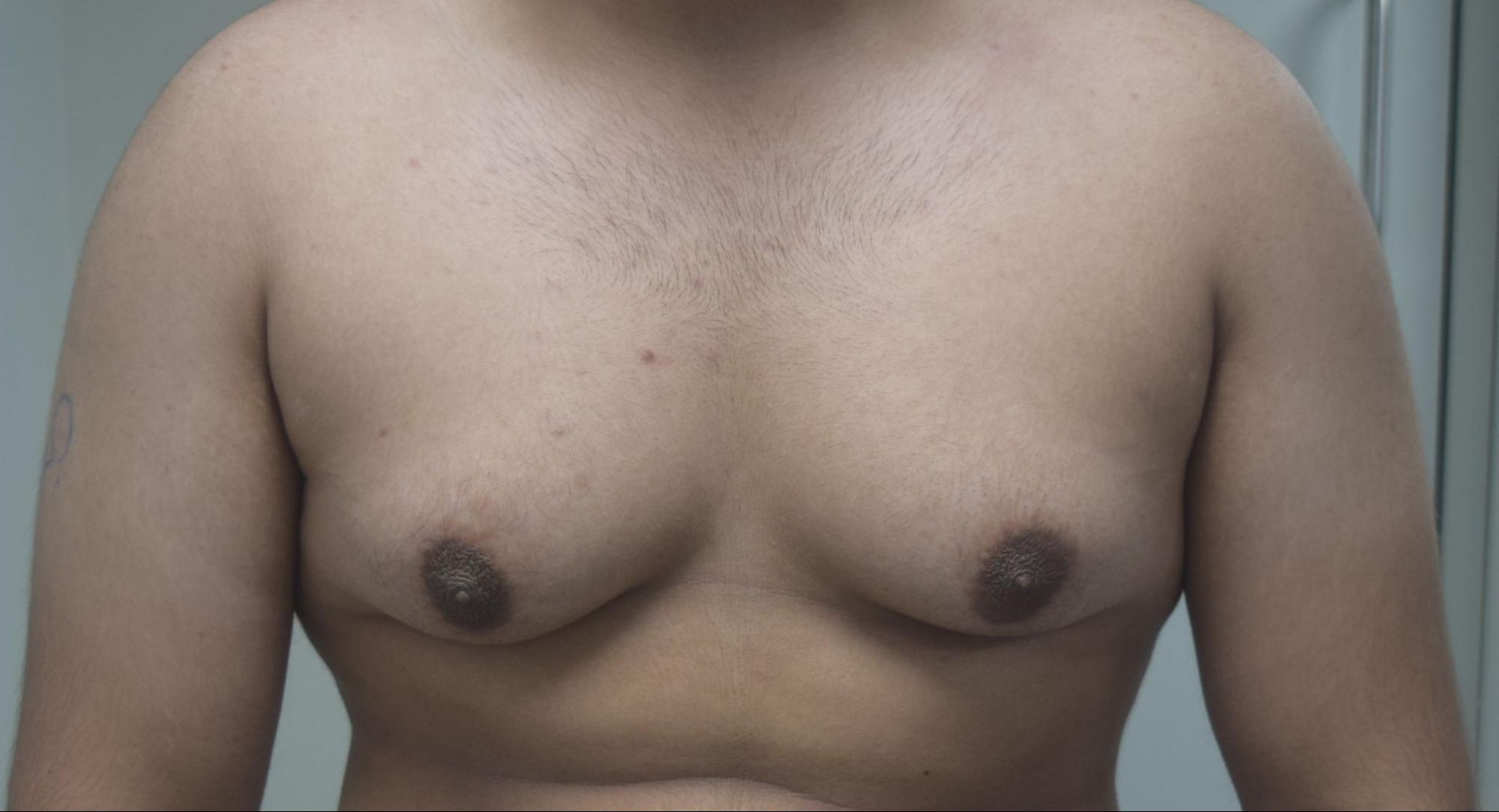
Gynecomastia is a common condition in male adults and boys. It causes the breasts to swell and become abnormally large.
Breast gland enlargement may affect males of all ages. Gynecomastia is the result of additional breast tissue rather than fat. Exercising or losing weight will not reduce the breast tissue in Gynecomastia.
The breast consists of firm and dense glandular tissue and softer fatty tissue. A male with gynecomastia may have too much of both types of tissue.
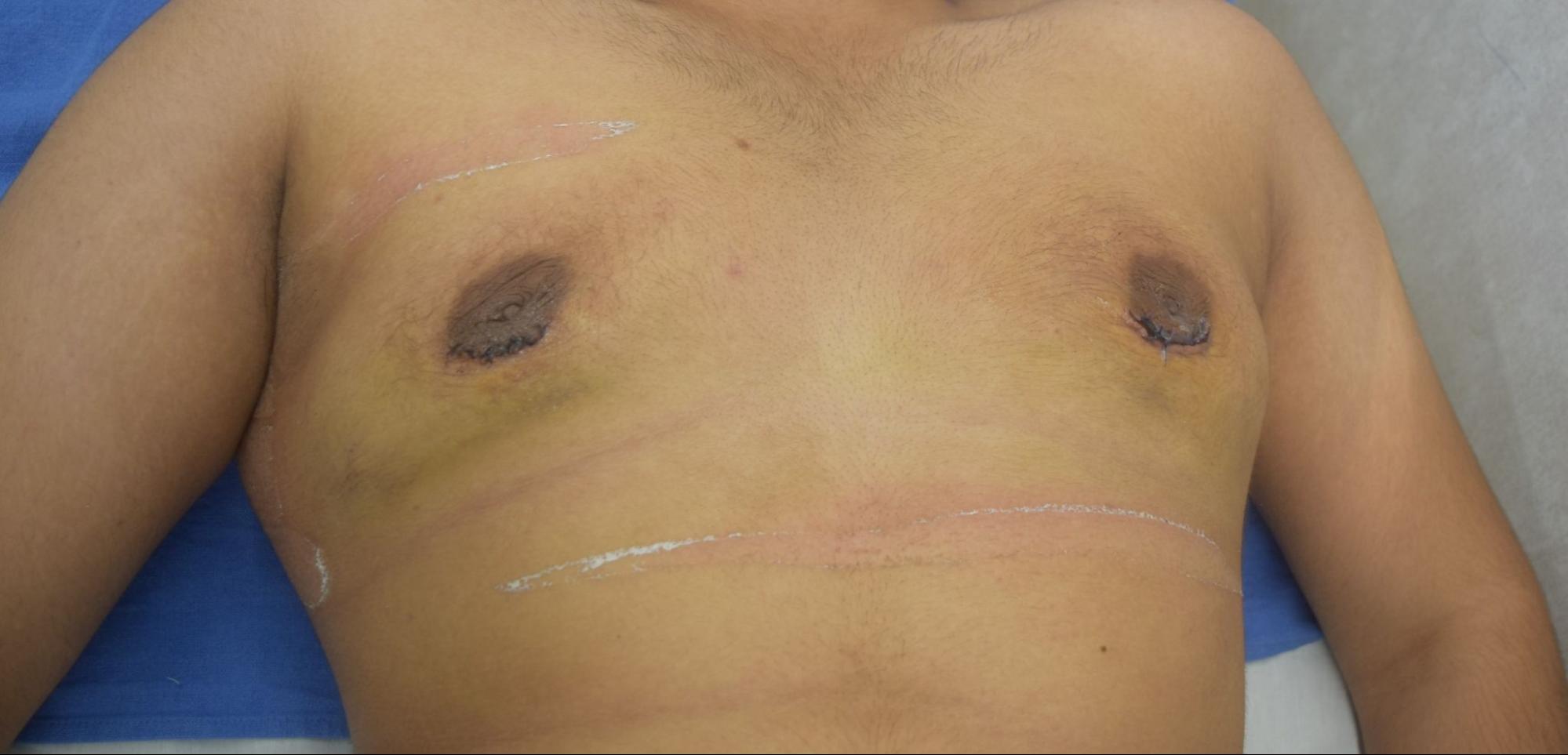
Liposuction can remove excess fatty tissue. After surgery, the chest will be bruised and swollen, and the person may have to wear an elastic pressure garment to reduce the swelling.
Breast Reduction
BREAST REDUCTION
Scarless breast reduction surgery? Is it possible?
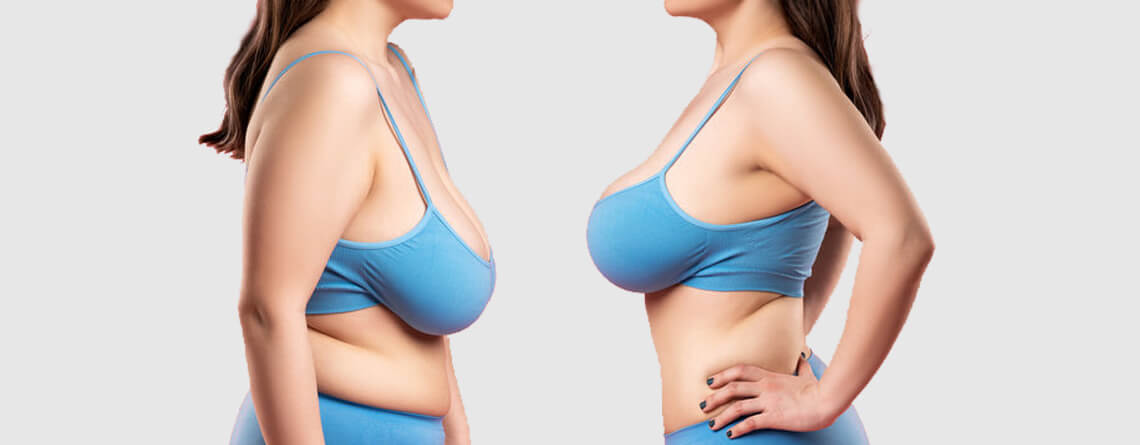
If you’re feeling very distressed about the size of your breasts, or they’re causing problems like neck, shoulder or back pain, you may benefit from breast reduction surgery.
Large breasts can make exercising and other activities difficult. Disproportionately large breasts can cause both physical and emotional distress for patients.
Breast reduction surgery, also known as reduction mammaplasty, can help improve people’s physical and psychological well-being.
Before you plan your visit.
How do I choose the right treatment?
The right option depends on your concerns, anatomy, expectations, downtime preference, and clinical suitability.
Will I need a consultation?
Yes. A consultation helps the team review your goals, explain risks and recovery, and recommend the most appropriate plan.
Are results the same for everyone?
No. Results vary by treatment type, individual healing, lifestyle, and the starting concern being addressed.
Plan your consultation.
Discuss treatment suitability, timelines, recovery, expected results, and a plan tailored to you.