



Breast Enhancement
Surgical enhancement options planned around proportion, comfort, and natural-looking confidence.
Clear sections, refined visuals, and easy patient scanning.
Surgical enhancement options planned around proportion, comfort, and natural-looking confidence. The treatments below are presented with polished spacing, animated entry, responsive cards, and structured copy so visitors can understand options quickly.
Breast Augmentation
BREAST AUGMENTATION
Breasts undergo significant changes during a woman's lifetime. While having perky, uplifted breasts is desirable, pregnancy, breastfeeding and ageing can cause them to lose their youthful shape and firmness.
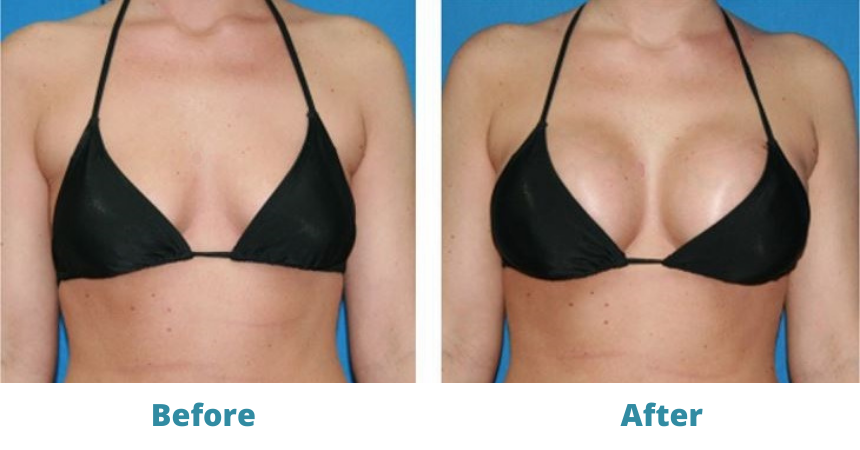
Breast augmentation, boob job, augmentation mammoplasty - there are a lot of different names that this procedure goes by. It is a surgical procedure that aims to increase the size, shape or fullness of the breasts using breast implants or fat transfer.
What are breast implants ?
A breast implant is a medical prosthesis that is placed inside the breast to augment, reconstruct or create the physical form of the breast.
Gynecomastia
GYNECOMASTIA
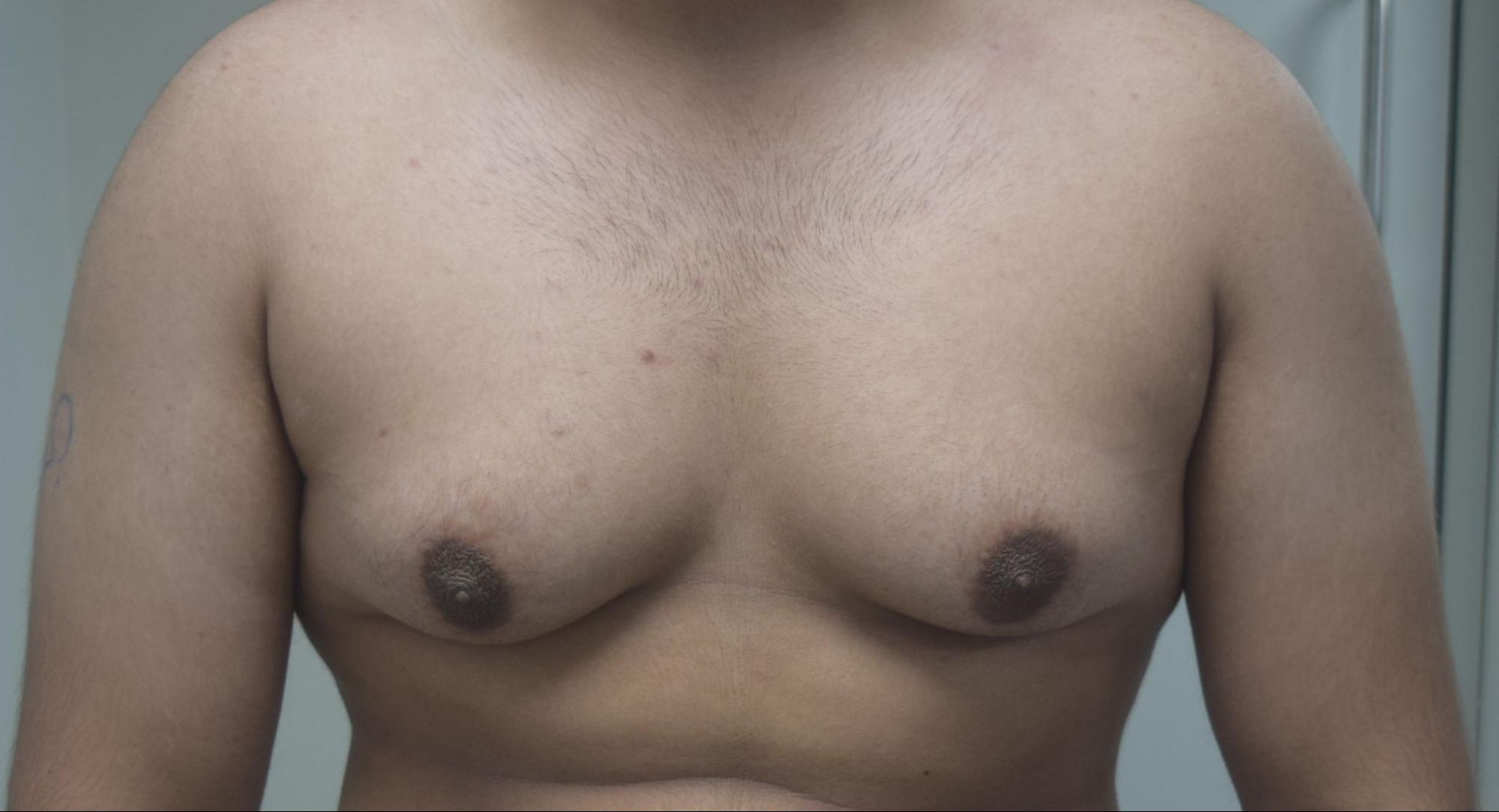
Gynecomastia is a common condition in male adults and boys. It causes the breasts to swell and become abnormally large.
Breast gland enlargement may affect males of all ages. Gynecomastia is the result of additional breast tissue rather than fat. Exercising or losing weight will not reduce the breast tissue in Gynecomastia.
The breast consists of firm and dense glandular tissue and softer fatty tissue. A male with gynecomastia may have too much of both types of tissue.
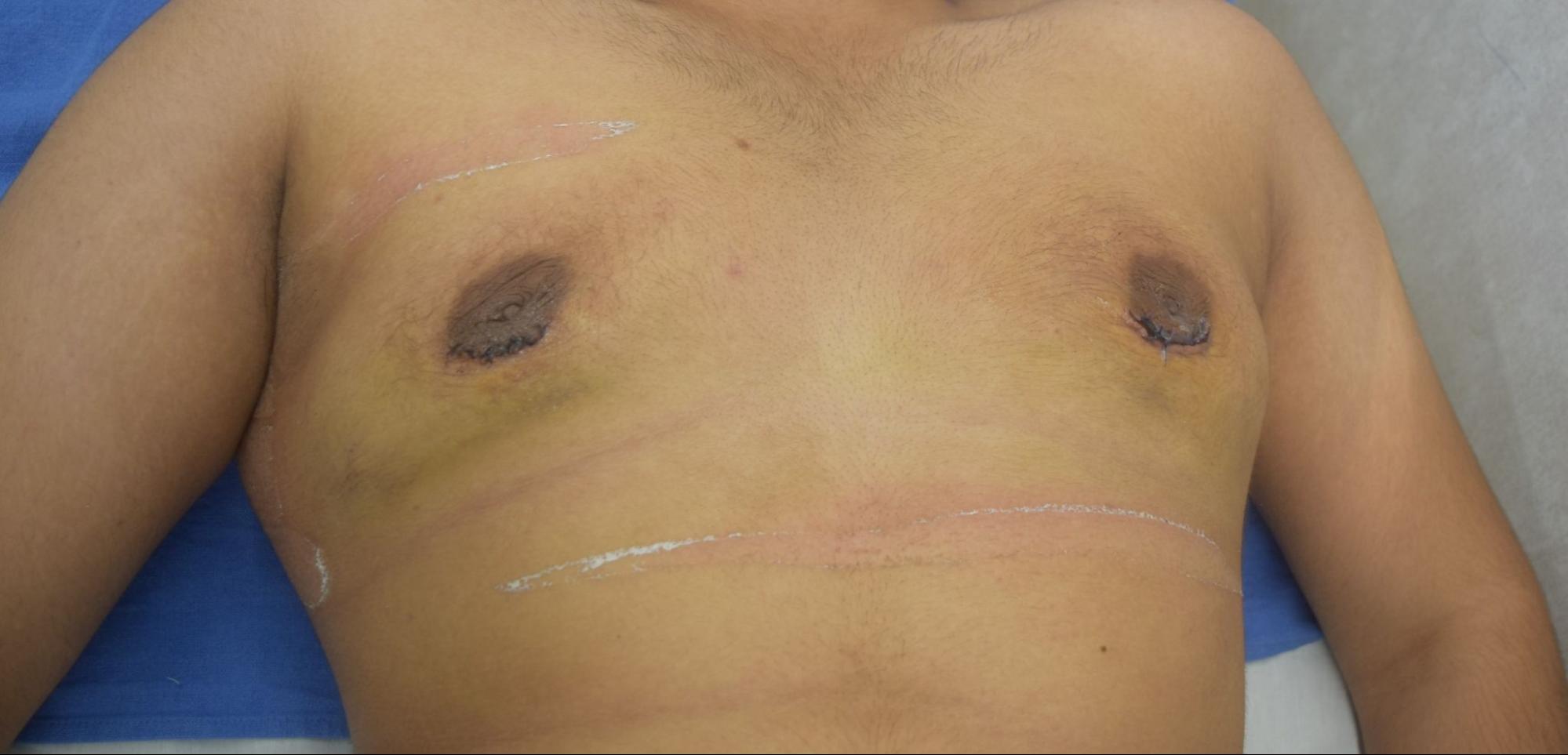
Liposuction can remove excess fatty tissue. After surgery, the chest will be bruised and swollen, and the person may have to wear an elastic pressure garment to reduce the swelling.

Breast Reduction
What causes Gynecomastia?
Several factors can cause Gynecomastia
- Hormone Imbalance: Gynecomastia can be caused by an imbalance between the sex hormones testosterone and oestrogen.
- Obesity: Being very overweight can cause increased levels of oestrogen, which can cause breast tissue to grow.
- Puberty: During puberty, boys’ hormone levels vary which can cause breast tissue to grow.
- Ageing: As men get older, they produce less testosterone and more oestrogen.
- Side effects of few medicines
- Alcohol misuse
- Illegal drugs such as cannabis or anabolic steroids
Treatment options include:
- Medication to adjust a hormone balance
- Surgery to remove the excess breast fatty tissue/ glandular tissue
Liposuction technique:
In cases where gynecomastia is primarily the result of excess fatty tissue, liposuction technique alone may be used. There are various liposuction techniques, the technique most appropriate in your case will be defined prior to your procedure.
Excision Technique:
Excision techniques are recommended where glandular breast tissue or excess skin must be removed to correct gynecomastia. Excision also is necessary if the areola will be reduced or the nipple will be repositioned to a more natural male contour. Incision patterns vary depending on the specific conditions and surgical preference.
Recovery:
During your surgery recovery period, dressings or bandages will be applied to your incisions and a support garment may be used to minimise swelling and support your new chest contour as it heals after surgery.
Result:
Gynecomastia surgery results are immediately visible. Over time, post surgical swelling will resolve and incision lines will fade. Satisfaction with your new image should continue to grow as you recover from surgery.
FAQS
BREAST REDUCTION
Scarless breast reduction surgery? Is it possible?
If you’re feeling very distressed about the size of your breasts, or they’re causing problems like neck, shoulder or back pain, you may benefit from breast reduction surgery.
Large breasts can make exercising and other activities difficult. Disproportionately large breasts can cause both physical and emotional distress for patients.
Breast reduction surgery, also known as reduction mammaplasty, can help improve people’s physical and psychological well-being.
Before you plan your visit.
How do I choose the right treatment?
The right option depends on your concerns, anatomy, expectations, downtime preference, and clinical suitability.
Will I need a consultation?
Yes. A consultation helps the team review your goals, explain risks and recovery, and recommend the most appropriate plan.
Are results the same for everyone?
No. Results vary by treatment type, individual healing, lifestyle, and the starting concern being addressed.
Plan your consultation.
Discuss treatment suitability, timelines, recovery, expected results, and a plan tailored to you.